Electric School Bus Fleet Management: Handling State-of-Charge and Charging Schedules
Districts adding electric school buses — often via the EPA's Clean School Bus Program — quickly find diesel-fleet software can't answer the questions that matter for EVs: how much charge is left, whether a bus completes its route and returns, and how to sequence charging across limited stations without overloading electrical capacity. Here's what electric school bus fleet management actually needs to handle.
Key takeaways
- New core metric: State of charge replaces fuel level as the number that governs daily operations.
- Range is conditional: Cold weather and terrain cut EV range below the rated number — prediction must account for it.
- Charging is a planning problem: More buses than chargers means sequencing overnight charging around electrical limits.
- Plan for mixed fleets: Most districts run electric and diesel side by side for years.
What's Different About Managing an Electric Bus Fleet
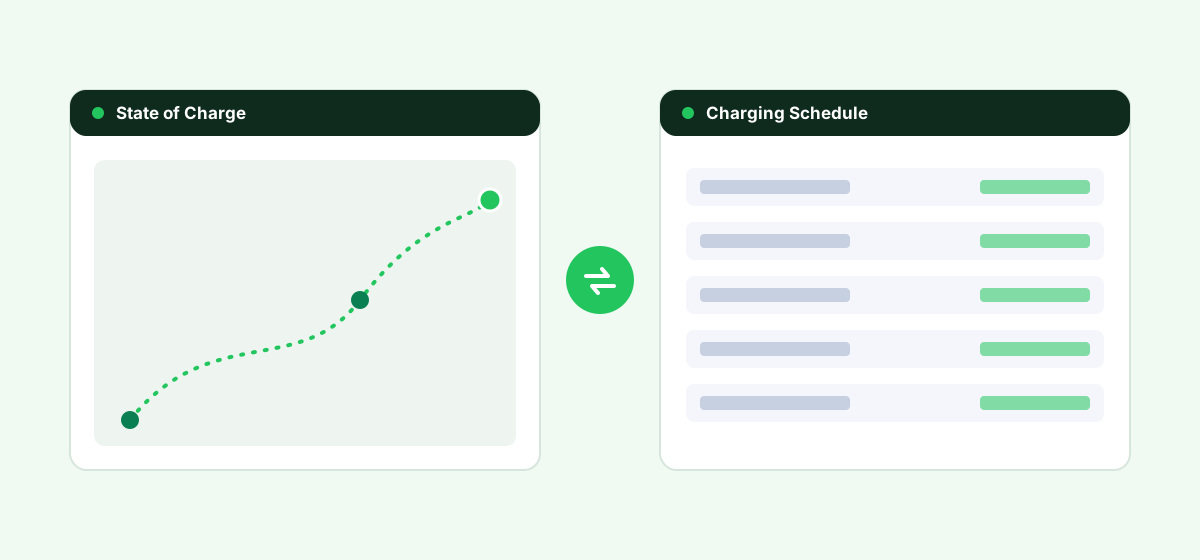
Diesel fleet management centers on fuel level, mileage-based maintenance, and engine diagnostics. Electric school bus management centers on state-of-charge (how much battery capacity remains), range estimation adjusted for route conditions like cold weather and hilly terrain, and charging-schedule coordination — especially when a district has more buses than charging stations and needs to sequence overnight charging without exceeding electrical service capacity. These aren't incremental additions to diesel fleet software; they require a genuinely different data model built around battery and charging-infrastructure data.
What to Look For in Electric School Bus Fleet Software
- Real-time state-of-charge monitoring per vehicle, ideally integrated with the bus manufacturer's telematics rather than requiring separate hardware.
- Range prediction adjusted for real conditions. Cold weather significantly reduces EV range, and route-specific factors (hills, stop-and-go) affect energy use — software that accounts for this beats a flat rated-range number.
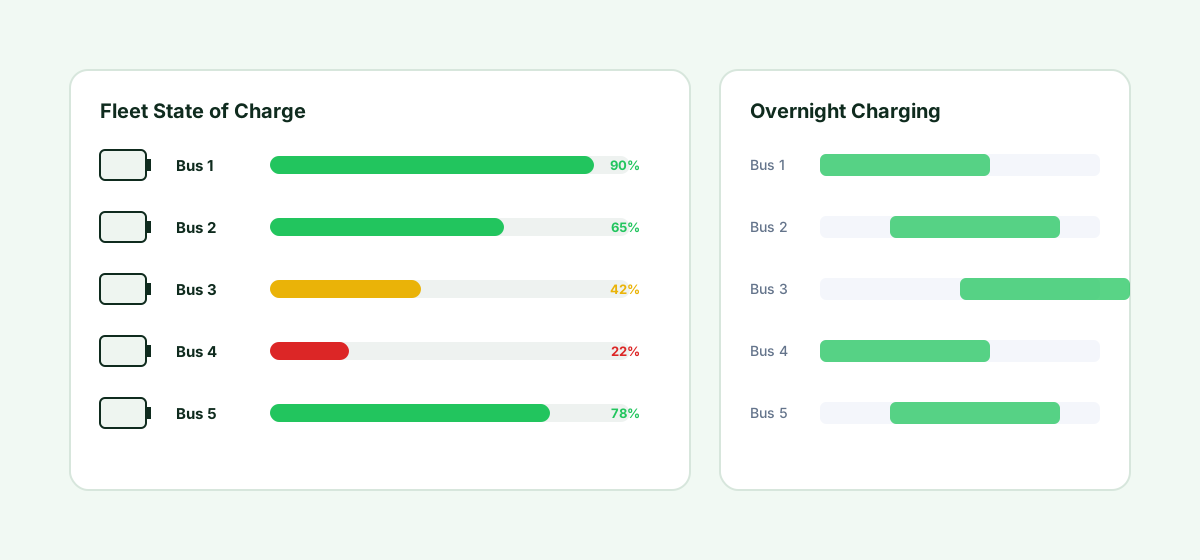
- Charging schedule management, especially for districts with more buses than simultaneous charging capacity, to sequence overnight charging and avoid exceeding electrical service limits.
- Charging infrastructure status and fault alerts, since a malfunctioning charger discovered at 6 a.m. before a morning route is an operational problem, not just a maintenance one.
- Route-to-range matching, assigning specific buses to specific routes based on which routes fit comfortably within a given bus's expected range.
- Grant and funding compliance reporting, if buses were purchased through a state or federal program with reporting requirements attached.
- Mixed-fleet support, since most districts run electric buses alongside diesel for years during the transition, not an all-electric fleet from day one.
Adding electric buses to your fleet?
See how Fleet tracks state-of-charge, range and charging schedules alongside your diesel buses.
Start a Free TrialWhy Charging Schedule Management Matters More Than It Sounds
A district with, say, 10 electric buses but only 6 charging stations can't simply plug everything in overnight and expect it to work — sequencing matters, both for making sure every bus is charged in time for morning routes and for avoiding demand charges or capacity issues with the facility's electrical service. This is a genuinely new operational planning problem for transportation directors used to diesel fueling, where "top off the tank" doesn't carry the same infrastructure constraints.
Frequently asked questions
Do electric school buses need different fleet management software than diesel buses?
For the charging and battery-management side, yes — state-of-charge monitoring, range prediction, and charging-schedule coordination are specific to electric vehicles and aren't part of diesel fleet maintenance software.
Can one platform manage both electric and diesel school buses?
Many districts run mixed fleets during the transition to electric, so look for software that supports both vehicle types in one system rather than requiring two entirely separate platforms.
Why does cold weather matter for electric school bus range?
Cold temperatures reduce EV battery range meaningfully compared to rated range, which matters for route planning — software with range prediction that accounts for weather gives more reliable guidance than a flat rated number.
What happens if a district has more electric buses than charging stations?
This requires charging-schedule management to sequence which buses charge when, ensuring every bus is ready for its morning route without exceeding the facility's available charging capacity or electrical service limits.
Bottom Line
If your district is adding electric school buses, don't assume your existing diesel fleet software will extend to cover them — state-of-charge monitoring, range prediction, and charging-schedule coordination are a different problem set that needs purpose-built support.
See Fleet for electric buses
Book a demo and see state-of-charge, range prediction and charging coordination in one platform.
Start a Free TrialRelated school transportation resources
Electric fleet management
Managing EVs, charging and range across any fleet.
Fleet maintenance software
Preventive maintenance for mixed diesel + electric fleets.
Government & district fleets
Fleet for school districts and public operations.
Fleet management guide
The complete guide to running a modern fleet.