GPS Tracking Software for HVAC Company Vehicles: Your Options in 2026
HVAC owners looking into vehicle GPS tracking run into three genuinely different product categories — standalone GPS devices/apps, GPS built into field service management (FSM) software, and full fleet management platforms with GPS as one feature. Pick the wrong category and you either overpay for features you won't use or end up with tracking disconnected from how you dispatch. Here's how the three compare.
Key takeaways
- Three categories: Standalone GPS, FSM-integrated tracking, and full fleet platforms solve different problems.
- Check FSM first: Most HVAC companies already have GPS inside their FSM tool — verify before buying.
- Dispatch vs. asset: FSM-integrated tracking wins for dispatch; fleet platforms win for maintenance and safety.
- Scale matters: Larger fleets are likelier to need dedicated fleet maintenance and driver-safety features.
Option 1: Standalone GPS Tracking Devices/Apps
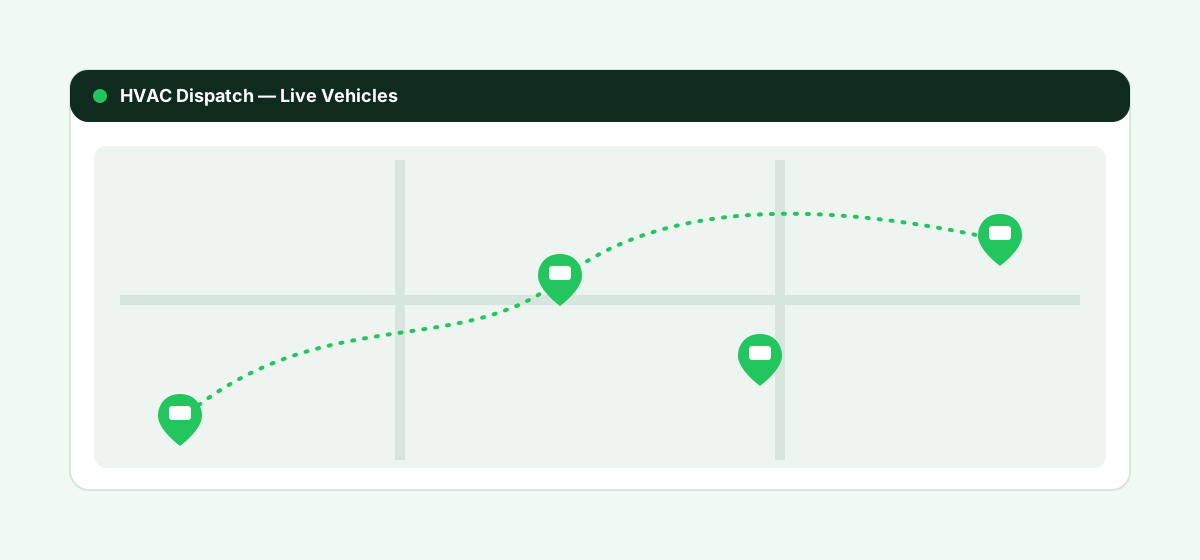
Purpose-built GPS hardware and apps, not tied to any scheduling or fleet-maintenance system, focus purely on location — often the lowest-cost entry point for a business that just wants to know where vehicles are. The tradeoff is that this data lives in its own system, disconnected from job scheduling, so there's no direct link between "where's the van" and "what job are they headed to next."
Option 2: GPS Tracking Built Into FSM Software
Most modern field service management platforms — the scheduling and dispatch software HVAC companies typically already run — include GPS tracking as a feature, tied directly to technician assignments and job status. This is often the most efficient option for HVAC companies specifically, since location data connects directly to dispatch decisions and customer ETA communication without a separate system to check.
Option 3: Full Fleet Management Platforms
Dedicated fleet management platforms include GPS tracking alongside preventive maintenance scheduling, driver behavior monitoring, fuel tracking, and vehicle compliance. This is the most complete option for vehicle-focused needs, but it's a separate system from your FSM dispatch tool, so location data for dispatch and for fleet management may live in two places unless the two systems are integrated.
| Option | Best for | Limitation |
|---|---|---|
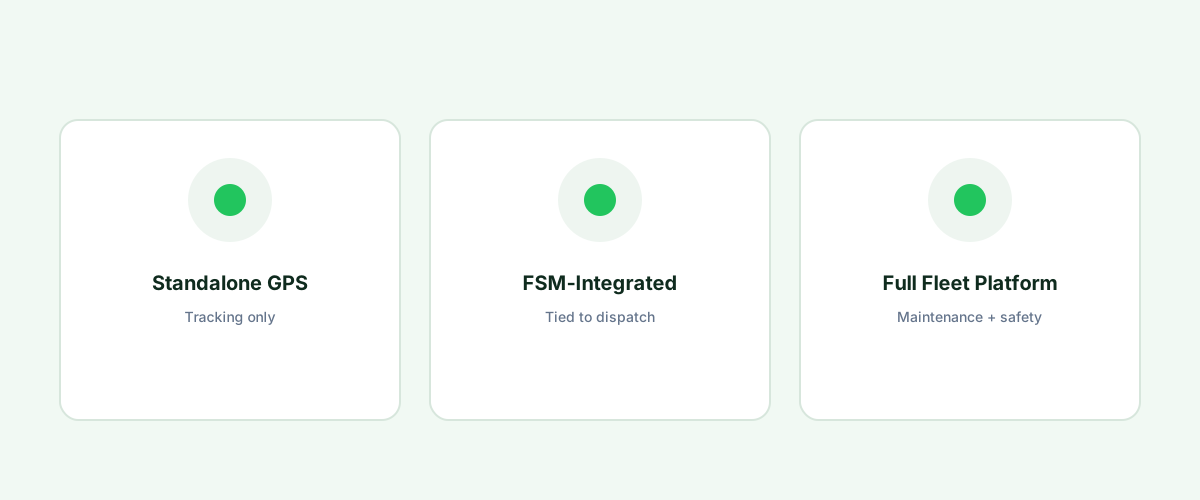
| Standalone GPS tracking | Lowest-cost, tracking-only needs | Disconnected from job scheduling |
| FSM-integrated GPS tracking | Dispatch efficiency, most HVAC companies' primary need | Limited maintenance/driver-safety features |
| Full fleet management platform | Maintenance, driver safety, cost tracking | Separate from FSM dispatch tool unless integrated |
Outgrowing basic GPS on your vans?
See how Fleet adds maintenance scheduling, driver safety and fuel tracking on top of live location.
Start a Free TrialWhat to Consider Before Choosing
- Do you already run FSM software? If so, check whether it includes GPS tracking before evaluating a separate option — you may already have what you need.
- Is dispatch efficiency or vehicle/driver management the bigger priority? This is the core decision point between FSM-integrated tracking and a full fleet platform.
- How many vehicles are you tracking? Smaller operations often find standalone or FSM-integrated tracking sufficient; larger fleets benefit more from dedicated maintenance and driver-safety features.
- Do you need historical route/idle-time reporting, useful for spotting inefficient routing or excessive idling, which varies in depth across all three options.
Frequently asked questions
Does field service management software usually include GPS tracking for HVAC vehicles?
Many modern FSM platforms include GPS tracking as a built-in feature tied to technician dispatch and job status — check your current FSM tool's feature set before assuming you need a separate GPS solution.
What's the difference between standalone GPS tracking and fleet management software?
Standalone GPS tracking focuses purely on vehicle location. Fleet management software includes GPS tracking alongside preventive maintenance scheduling, driver behavior monitoring, and vehicle compliance — a broader feature set focused on the vehicle as an asset, not just its location.
Is standalone GPS tracking cheaper than FSM-integrated or fleet management options?
Standalone tracking is often the lowest-cost entry point, but it's worth weighing against the value of having location data connected to job scheduling (FSM-integrated) or vehicle maintenance (fleet management), which standalone tracking doesn't provide.
How many vehicles justify a full fleet management platform over FSM-integrated tracking?
There's no fixed threshold — the better question is whether preventive maintenance, driver safety, or fuel cost tracking have become recurring pain points your FSM tool's basic GPS tracking doesn't address.
Bottom Line
For most HVAC companies, the fastest first step isn't shopping for GPS tracking software — it's checking whether the FSM platform you already run includes it. From there, the decision between FSM-integrated tracking and a full fleet management platform comes down to whether dispatch efficiency or vehicle/driver management is the bigger priority.
See Fleet for HVAC vehicles
Book a demo and see GPS, maintenance and driver safety in one fleet platform.
Start a Free TrialRelated field service fleet resources
HVAC fleet vs. FSM software
When your FSM tool's GPS is enough — and when it isn't.
GPS fleet tracking
Live location, geofencing and route history for service fleets.
Service-provider fleets
Fleet built for field service and contractor operations.
Fleet maintenance software
Preventive maintenance that keeps service vans on the road.