HVAC Fleet Management vs. Field Service Management Software: Which Do You Actually Need?
Most HVAC companies already run field service management (FSM) software for scheduling, dispatch, and invoicing — and many FSM platforms include basic GPS tracking. That raises a genuinely useful question: do you need separate fleet management software, or does your FSM tool's GPS already cover it? The honest answer depends on what you're trying to solve.
Key takeaways
- FSM GPS = dispatch: FSM-included tracking is built for location, ETA and technician status.
- The gap: Preventive maintenance, driver behavior, fuel cost and compliance are usually missing.
- Small + simple: Under ~10–15 vans with informal maintenance, FSM GPS is often enough.
- Run both: Many growing companies keep FSM for dispatch and add fleet software for the asset side.
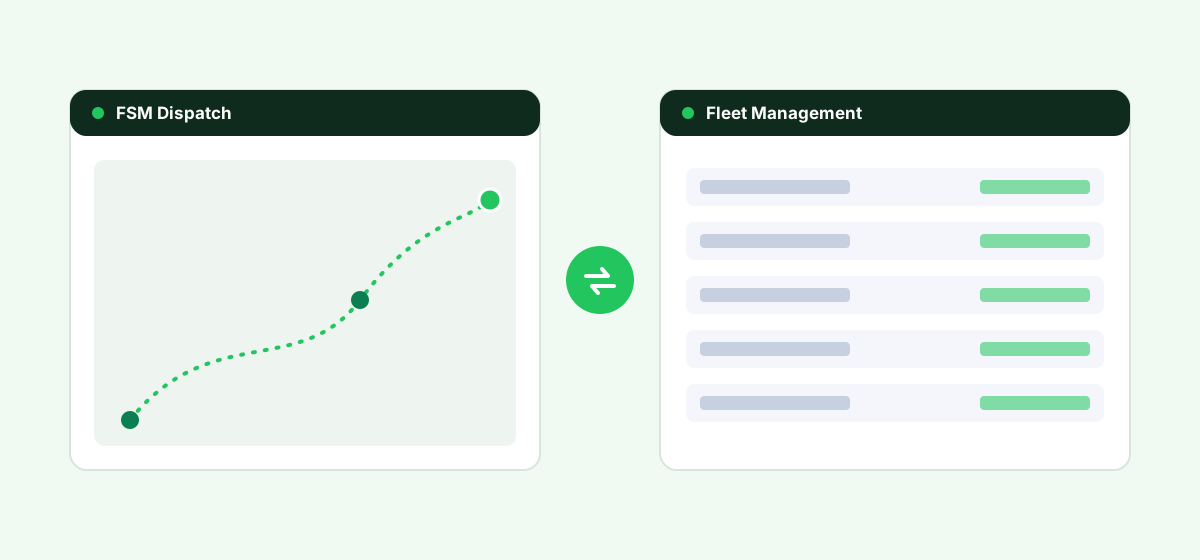
What FSM-Included GPS Tracking Typically Covers
FSM platforms that include GPS tracking generally focus on dispatch-relevant location data: where is this technician right now, how close are they to the next job, and did they arrive when scheduled. This is genuinely useful for scheduling and customer-facing ETA accuracy, and for many small HVAC operations it's sufficient — no need to pay for and manage a second system just to know where vehicles are.
What FSM GPS Tracking Usually Doesn't Cover
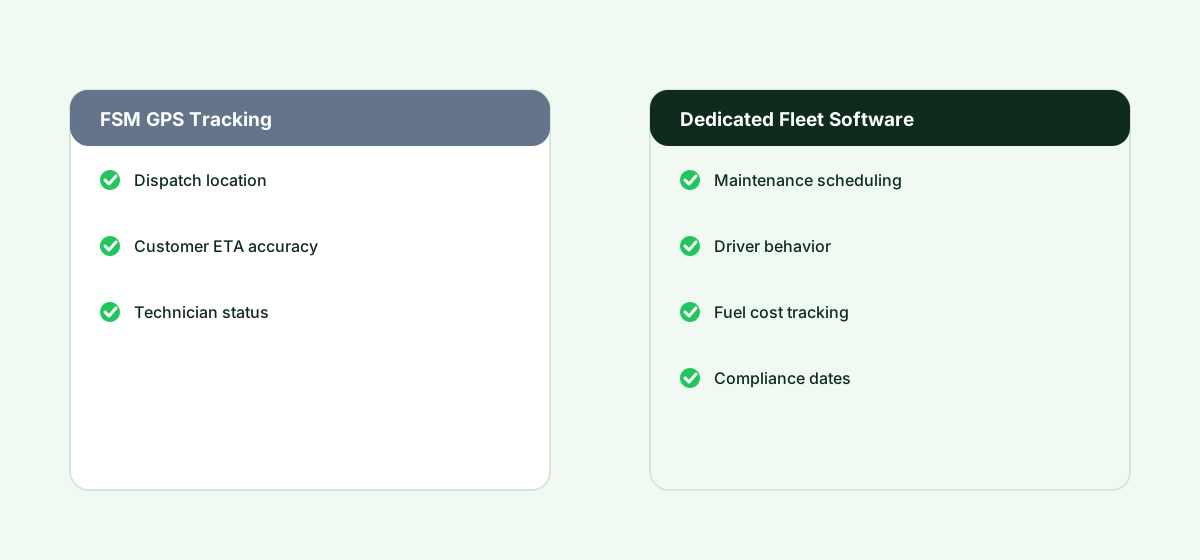
Where FSM-included tracking typically falls short is preventive maintenance scheduling, detailed driver behavior monitoring (harsh braking, speeding, idling), fuel/cost tracking, and vehicle-specific compliance documentation (registration, inspection due dates). FSM tools are built around the job and the technician, not the vehicle as an asset with its own maintenance and cost lifecycle. As a fleet grows, this gap becomes more noticeable.
When FSM GPS Tracking Is Enough
- Your fleet is small (roughly under 10–15 vehicles) and vehicle maintenance is tracked informally or through a simple external process that's working fine.
- Your primary need is dispatch efficiency and customer ETA accuracy, not fleet cost management or driver safety.
- You don't have recurring vehicle maintenance, fuel cost, or driver behavior issues a dedicated system would meaningfully improve.
When Dedicated Fleet Management Software Is Worth Adding
- Preventive maintenance is falling through the cracks, with unexpected breakdowns disrupting scheduled jobs.
- Fuel and vehicle operating costs are a significant, growing expense you want better visibility into.
- Driver safety is a concern — dedicated platforms typically offer more detailed driver behavior monitoring than FSM-included GPS.
- Your fleet has grown past the point where informal maintenance tracking works reliably.
- You need vehicle-specific compliance tracking (registration, inspection, insurance renewal dates) your FSM tool doesn't handle.
| Capability | FSM GPS tracking | Dedicated fleet management software |
|---|---|---|
| Live location & ETA | Yes | Yes |
| Preventive maintenance scheduling | Rarely | Yes |
| Driver behavior monitoring | Basic / none | Detailed |
| Fuel & cost tracking | No | Yes |
| Vehicle compliance dates | No | Yes |
Maintenance and safety outgrowing your FSM tool?
Fleet adds the vehicle-asset layer — maintenance, driver safety and cost — alongside your FSM dispatch.
Start a Free TrialCan You Run Both Without Redundancy?
Yes — many growing HVAC companies keep their FSM tool for scheduling and dispatch while adding dedicated fleet management software specifically for maintenance, cost tracking, and driver safety, rather than trying to replace one with the other. The two systems serve different core purposes even though both may show a vehicle's location on a map; overlap in that one feature doesn't mean either system covers the other's core job.
Frequently asked questions
Does my FSM software's GPS tracking mean I don't need fleet management software?
Not necessarily — FSM GPS tracking is generally built for dispatch and ETA purposes, not preventive maintenance scheduling, driver behavior monitoring, or vehicle-specific compliance tracking, which are the core features of dedicated fleet management software.
At what fleet size should an HVAC company consider dedicated fleet management software?
There's no fixed number, but many companies find the case strengthens once vehicle maintenance costs, breakdowns, or driver safety become recurring operational concerns rather than occasional issues an FSM tool's basic tracking can't address.
Can I run both FSM software and dedicated fleet management software together?
Yes — many companies use FSM software for scheduling/dispatch and a separate fleet platform for maintenance, cost, and safety tracking, since the two tools serve different primary purposes despite some feature overlap.
What's the biggest gap in FSM-included GPS tracking for HVAC fleets?
Preventive maintenance scheduling is the most commonly cited gap — FSM GPS tracking shows where a vehicle is, but doesn't typically manage when that vehicle is due for service.
Bottom Line
If your HVAC company's only fleet-related question is "where are my technicians right now," your FSM tool's GPS tracking is probably enough. If maintenance, cost visibility, or driver safety are becoming real operational concerns, that's the specific point where dedicated fleet management software starts paying for itself.
See where Fleet fits alongside FSM
Book a demo and see the maintenance, safety and cost layer your FSM tool doesn't cover.
Start a Free TrialRelated field service fleet resources
GPS tracking for HVAC vehicles
Standalone vs. FSM-integrated vs. full fleet platform.
Fleet maintenance software
Preventive maintenance that keeps service vans on the road.
Service-provider fleets
Fleet built for field service and contractor operations.
GPS fleet tracking
Live location, geofencing and route history.