Construction Equipment (Yellow Iron) Maintenance Software: What to Look For
"Fleet software" usually means on-road trucks and vans tracked by GPS and mileage. Heavy construction equipment runs on a genuinely different maintenance model — engine hours, job-site utilization, and machines that move between projects. Here's what actually matters for yellow-iron maintenance software.
Key takeaways
- Different trigger: Heavy equipment schedules maintenance by engine hours, not mileage.
- Cost model: Look for job-site / project-level cost allocation, not per-route tracking.
- Telematics: Prefer software that ingests factory equipment telematics automatically.
- Owned vs. rented: Confirm the platform separates owned machines from rented equipment.
Why On-Road Fleet Software Doesn't Fit Heavy Equipment
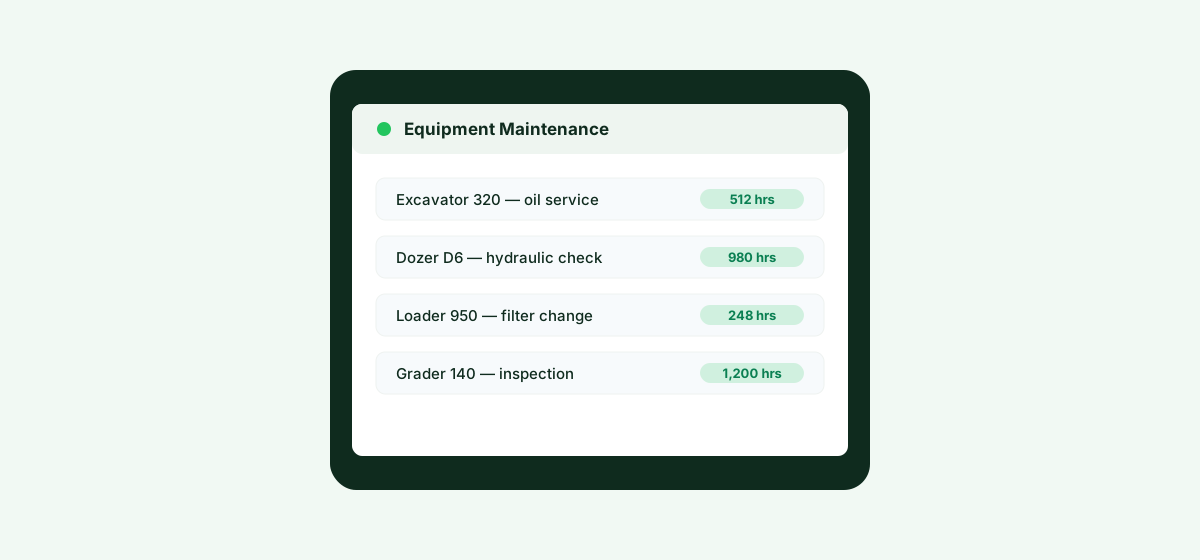
Most fleet management platforms are built around mileage-based maintenance intervals and road-route GPS tracking — neither of which maps well onto a bulldozer that never leaves a job site or an excavator that gets trucked between projects. Heavy equipment maintenance runs on engine-hour intervals (oil changes, filter replacements, and hydraulic service scheduled by hours of operation, not miles driven), and utilization matters more in terms of which job site and how many operating hours than in terms of routes or speed.
What to Look For in Heavy Equipment Maintenance Software
- Engine-hours-based maintenance scheduling as the primary trigger, not mileage.
- Job-site / project-level cost allocation, so equipment operating costs attribute to specific construction projects for accurate job costing.
- Utilization tracking by machine, to identify underused equipment better rented out, sold, or reallocated between projects.
- Component-level maintenance tracking for major wear items specific to heavy equipment — undercarriage/track wear, hydraulic systems, and attachment-specific service needs.
- Telematics integration for equipment, since many modern brands ship factory telematics (engine hours, fault codes, location) a maintenance platform should pull in rather than requiring separate manual logging.
- Rental vs. owned equipment tracking, if your operation mixes owned machines with rented equipment — maintenance responsibility and cost tracking typically differ between the two.
- Mobile-first, rugged-environment usability, since operators and site supervisors log data in the field, not at a desk.
| Consideration | On-road fleet software | Heavy equipment maintenance software |
|---|---|---|
| Primary maintenance trigger | Mileage | Engine hours |
| Location tracking | Route / GPS | Job site / utilization |
| Cost allocation | Per vehicle / driver | Per project / job site |
| Component focus | Standard vehicle wear items | Undercarriage, hydraulics, attachments |
Managing yellow iron, not just trucks?
See how Fleet schedules maintenance by engine hours and allocates equipment cost to the right job.
Start a Free TrialFrequently asked questions
Can I use the same fleet software for trucks and heavy equipment?
Some platforms support both, but confirm specifically that the platform handles engine-hours-based scheduling and job-site cost allocation for heavy equipment — not just mileage-based tracking built for on-road vehicles.
What's the difference between "fleet management" and "heavy equipment maintenance" software?
Fleet management software is generally built around on-road vehicles, mileage, and route tracking. Heavy equipment maintenance software is built around engine hours, job-site utilization, and construction-specific cost allocation — the underlying data models are different even when marketed under similar names.
Does heavy equipment maintenance software integrate with equipment telematics?
Many modern heavy equipment brands offer factory telematics reporting engine hours, location, and fault codes; look for maintenance software that can pull this data in automatically rather than requiring manual logging.
Should rented equipment be tracked in the same system as owned equipment?
Many contractors track both in the same platform for full job-cost visibility, but confirm the platform distinguishes rental equipment (with different maintenance responsibility) from owned equipment.
Bottom Line
If your business runs heavy equipment rather than (or alongside) on-road vehicles, look specifically for engine-hours-based scheduling and job-site cost allocation — the features that separate genuine construction equipment maintenance software from a relabeled on-road fleet tool.
See Fleet on your own equipment
Book a demo and track excavators, dozers and loaders by engine hours against real jobs.
Start a Free TrialRelated construction fleet resources
Engine-hours maintenance tracking
Why hours beat mileage for heavy equipment.
Fleet software + Procore
Connect equipment cost data into Procore job costing.
Fleet software + Sage
Sync equipment hours into Sage 300 CRE / Intacct.
Construction fleet management
Fleet for contractors and construction operations.